
Thousands of decisions fill our days, but few feel as personal as the ones that shape where we sleep.
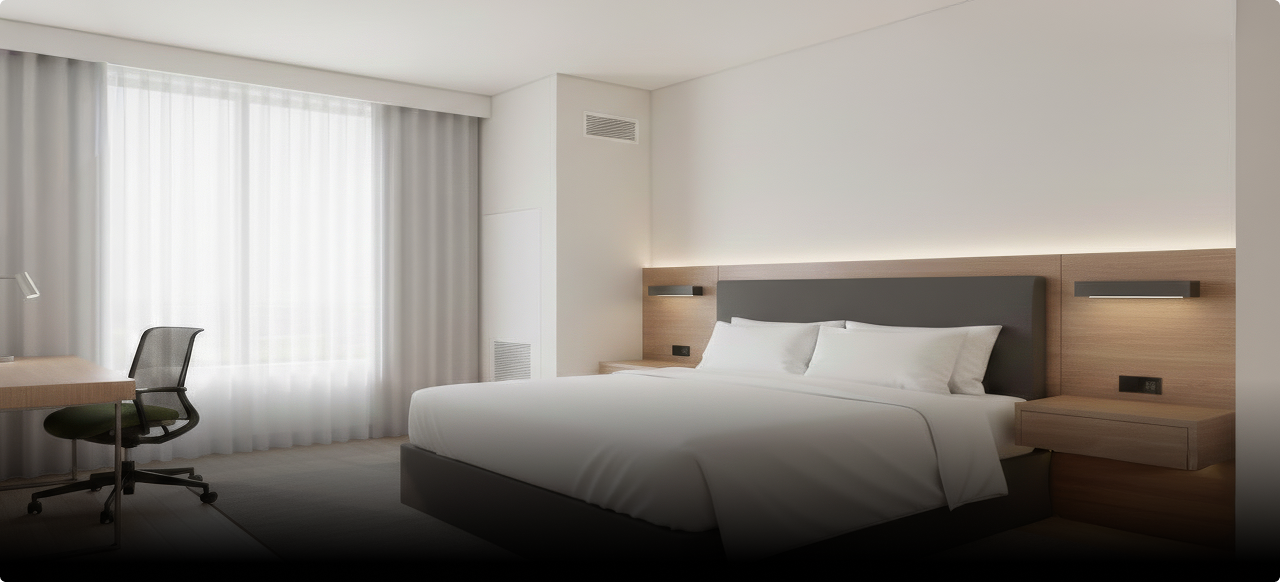
We obsess over perfecting its design and try to create spaces that feel calm, restorative, and comfortable. Design drives our choices of rugs, lighting and linens. We visit showrooms to “test-drive” mattresses and pillows. Yet one of the most powerful elements of the bedroom environment is rarely chosen with the same care. It’s chosen for us, not by us.
The climate system.
Often positioned just inches from our heads, it quietly (or not so quietly) shapes how we sleep, how we recover, and how we experience the space meant for rest. And yet it’s typically the one feature we neither select nor think much about.
The Most Overlooked Object in the Built Environment
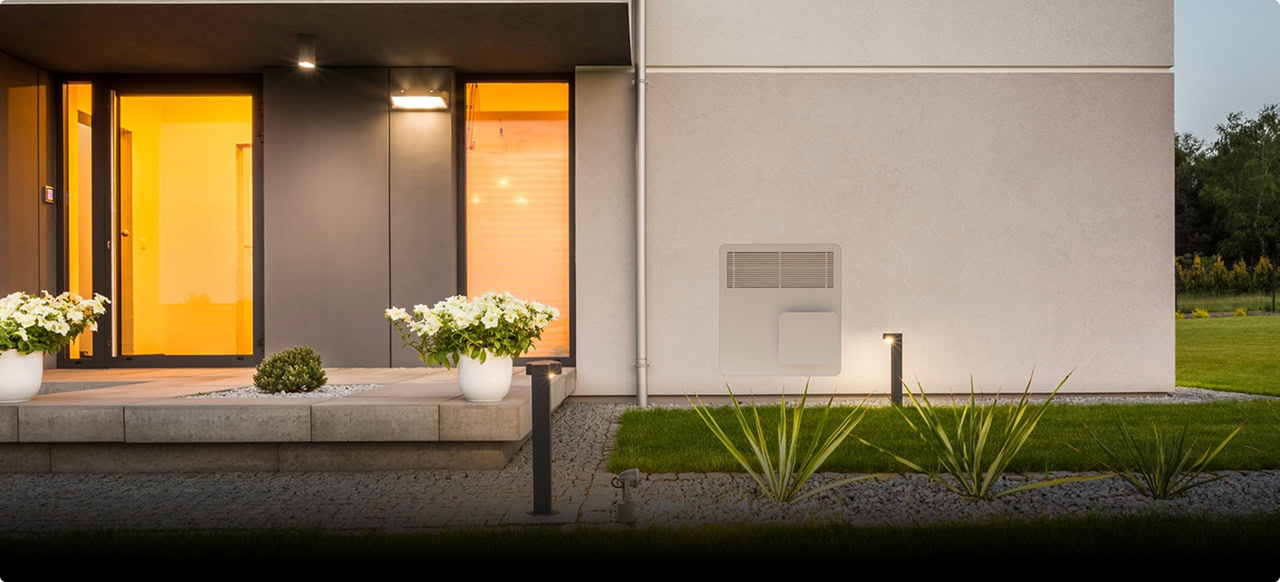
For over a century, the standard solution to thermal comfort has been practical. Place a large metal box somewhere—on the roof, under a window, on the porch, in the backyard, and hope people ignore it. Air conditioning, invented in 1902, was intended to solve a printing-plant humidity problem. Quickly, it transformed into a desirable residential and commercial feature. But that convenience came with ugly consequences – ugly rooftops, building facades bulky with window units, hums blanketing neighborhoods and the challenges of retrofitting existing buildings without damaging their beauty.
As cities densify and energy demands increase, the infrastructure that controls indoor climate is becoming more noticeable. More visible on façades and more audible in the background hum of urban life, we tolerate the nuisance.
That invisibility is starting to break down.
The Design Problem Nobody Talks About
For architects and engineers, HVAC design has long presented a set of quiet but persistent challenges.
Aesthetics. Architects spend enormous effort trying to conceal condensers and compressors so they don’t disrupt carefully designed façades and interiors.
Noise. Traditional HVAC contributes to the low-frequency drone that defines the background sound of many cities. Engineers have spent decades trying to reduce vibration and mechanical noise without sacrificing performance.
Retrofits. Upgrading climate systems in older buildings can be a logistical nightmare. Retrofitting a 100-year-old structure for modern efficiency often means threading bulky mechanical systems through walls and spaces never designed to hold them—all while preserving historic character.
Ventilation. Although temperature gets most of the attention, we should not overlook fresh air as an important feature of comfort. Energy Recovery Ventilators (ERVs) let buildings “breathe” by exchanging stale indoor air for fresh outdoor air. Good ventilation is essential.
These challenges are becoming more urgent as buildings adapt to climate change, stricter energy standards, and rising expectations for indoor comfort.
Rethinking Manufactured Weather
We’ve spent more than a century engineering “manufactured weather” inside buildings. Yet the systems responsible for it still carry the legacy of industrial HVAC design—bulky, noisy, and largely hidden from view.
Innova is engineering the new generation of climate technology.
Imagine designing heating and cooling systems that are dramatically quieter and more compact. Instead of dominating rooftops or cluttering façades, ventilation is integrated more thoughtfully into the architecture.
Imagine high-rise buildings where valuable roof space is no longer consumed by compressor rooms. Or bedrooms where the system responsible for comfort is nearly silent.
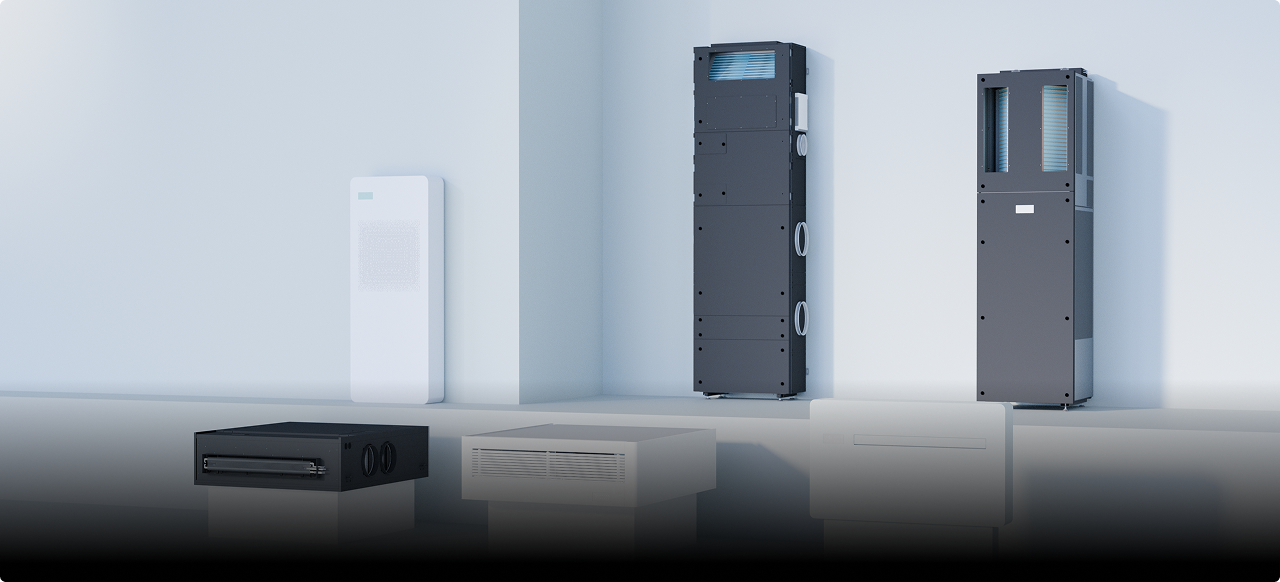
No longer just a dream, Innova has created climate infrastructure that works like infrastructure should. Effective, elegant, and almost invisible. The AIO, or “All-In-One,” combines heating, cooling, ventilation, and clean air management in one compact system – featuring a high-efficiency inverter heat pump, advanced ERV, MERV 13 filtration, and bathroom exhaust fan. Simple to design and engineer, easy to install and maintain, AIO is the best choice for all the HVAC needs of an office, hotel room, apartment, or dwelling.
The invisible box is finally getting a redesign.