

Sleep Health, Noise, and the Built Environment.
When we talk about why we’re so tired, or why sleep feels increasingly elusive, the conversation almost always turns to self-discipline (or lack thereof). We take personal responsibility for our sleep health. We may blame it on the blue light from our phones or attribute it to our daily brew of coffee. Sleeplessness may come from stress, or even a sedentary lifestyle. It’s true, all of these can be mitigating factors.
While habits and lifestyle matter, only focusing on personal responsibility neglects an important element that shapes how well we sleep – the built world around us.
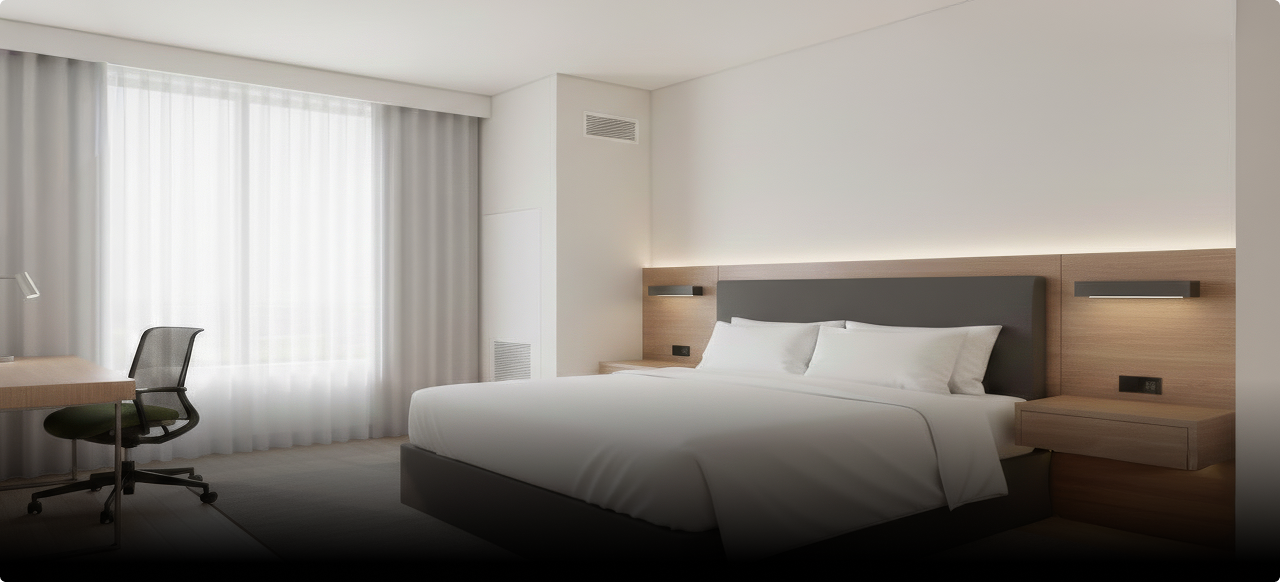
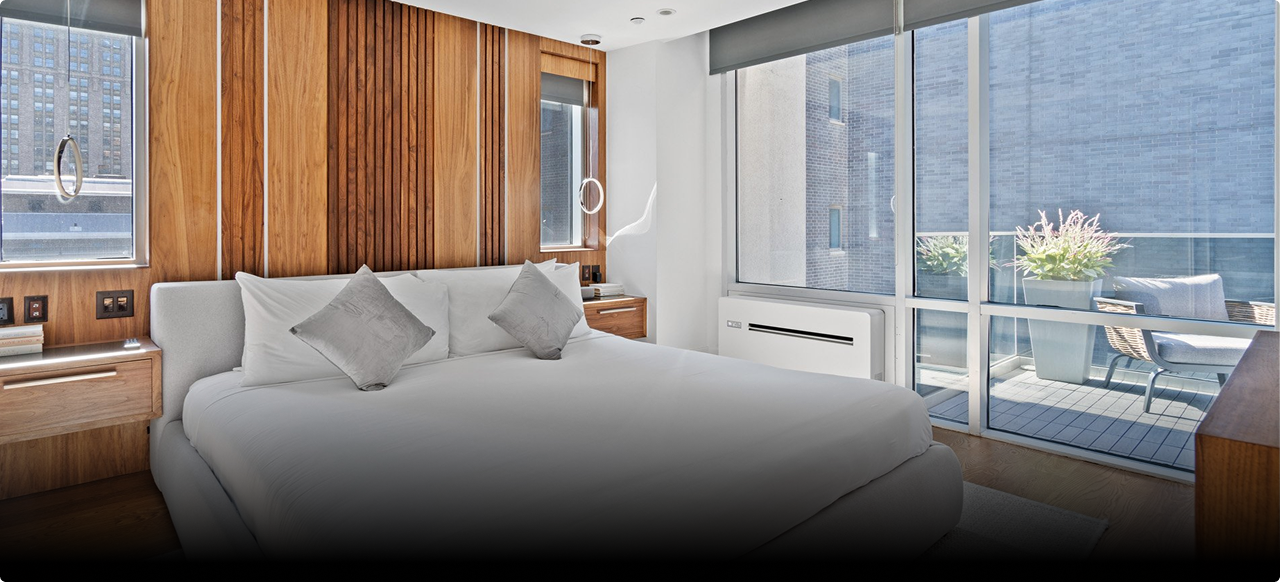
We spend nearly 90% of our lives indoors — and about 40% of that time is spent in the room where we sleep. The spaces where we sleep play a huge role in shaping our daily lives.
What environmental factors shape how deeply and consistently we sleep? The answer lies in the things that engage our senses: our pillows, the quality of our mattress, the light in the room, the temperature, the air quality, and especially sound. These are not luxuries or minor details – they are fundamental elements that play a powerful role in determining the quality of our rest.
Why Noise Matters More Than We Realize
Even when noise doesn’t fully wake someone up, low-level, continuous nighttime noise can fragment sleep cycles. While we may not remember these disruptions in the morning, physiologically they matter.
When background sounds shift, your cortisol spikes, your heart rate elevates and pulls you out of deep restorative REM sleep. In other words, the body responds even when the mind does not. It’s easy to laugh about the small sounds of the night. Snoring. Creaking. Street noises. Nature’s howls. Mechanical hums. Low vibrations. Wind blowing. You wake up feeling foggy without even realizing your sleep was not as peaceful as you had hoped.
The Global Noise Problem at Night
Urbanization and modern architecture have changed the soundscape of nighttime around the world. As cities densify, traffic continues later, buildings rise closer together and mechanical systems incrementally.
What’s the acoustical nightmare at the heartbeat of a building? The HVAC systems.
The sustained hum of an appliance, running at about 40 decibels, is enough to begin affecting sleep. When sustained levels reach 55 decibels (the sound of a dishwasher or a loud window AC unit) it’s potentially dangerous to public health when it continues night after night. It’s not about one brief event, it’s about a sustained threshold throughout the night. Imagine that level not for a few moments, but as the average background noise over an entire evening.
At 2 p.m., that hum may go unnoticed, but at 2 a.m., it feels very different. During sleep hours, the threshold for disruption is lower. The nervous system is more sensitive. A small, repeated sound can become a pattern the body anticipates.
Designing for Quiet
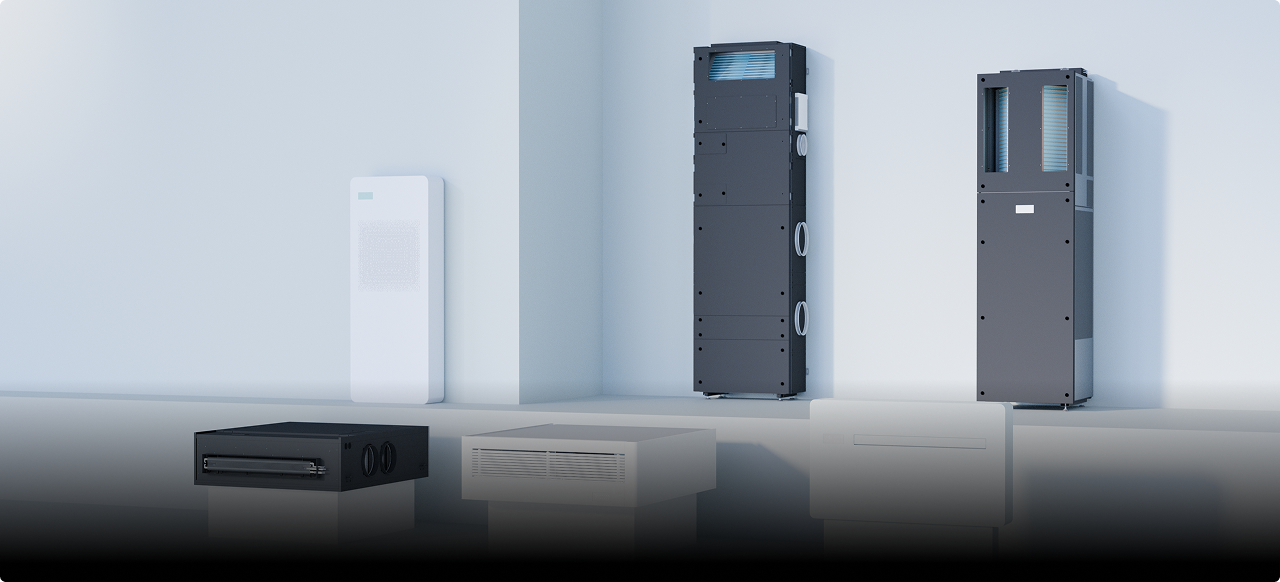
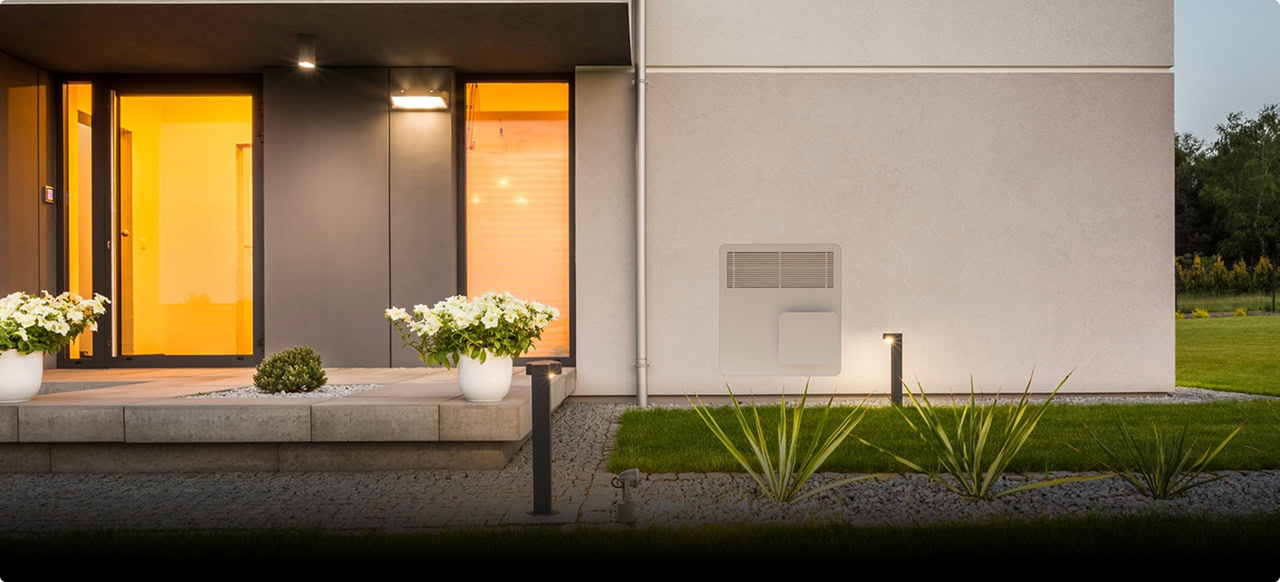
At Innova, we focus on engineering HVAC systems that reduce unnecessary noise impact, particularly during nighttime operation.
That means we pay attention to efficiency and mechanical behavior. It’s not just about decibels. It’s about stability. We consider how systems cycle, how vibration is managed, and how components interact under real conditions.
Time to Reclaim Rest
While we can’t control the noise outside of our windows and walls, we have control over the noise generated inside our walls. Designing for restorative sleep is just as important in our homes as it is in five-star hotels, hospitals, and dormitories.
World Sleep Day, taking place March 13, 2026 is an opportunity to ask a different question: not “How can I sleep better?” We all know the usual answers…put our phones away, exercise more, meditate and practice better sleep hygiene. Instead, we should ask: “How can our buildings help us sleep?”
Let’s expand the conversation about sleep health beyond habits and into design.
We cannot control every sound in the city. But we can control the systems inside our walls. We can choose quieter mechanical solutions. We can prioritize stability over vibration. We can design spaces that allow the nervous system to truly rest.
If you are shaping the built environment, you are shaping sleep. Let’s design accordingly.
If you are an architect, engineer, or building owner committed to designing healthier buildings, we’d love to start a conversation about reducing nighttime mechanical noise. Reach out to our team at info@innova.co